Skin Whitening: How to Lighten Dark Spots and Brighten Your Skin Safely
Skin whitening is becoming very popular, with more people searching for ways to achieve a brighter complexion, reduce dark spots and improve uneven skin tone. From skin-lightening creams and brightening serums to professional aesthetic treatments, there are many options available – but understanding what works, what is safe and what is suitable for your skin is essential.
At Eden Skin Clinic, we believe beautiful skin starts with skin health. Rather than trying to change your natural skin colour, the focus should be on addressing concerns such as hyperpigmentation, sun spots, acne marks and uneven skin tone to help your complexion look clearer, brighter and more radiant.
In this guide, we explore what skin whitening means, what causes pigmentation, which ingredients and treatments may help, and how to achieve brighter-looking skin safely.
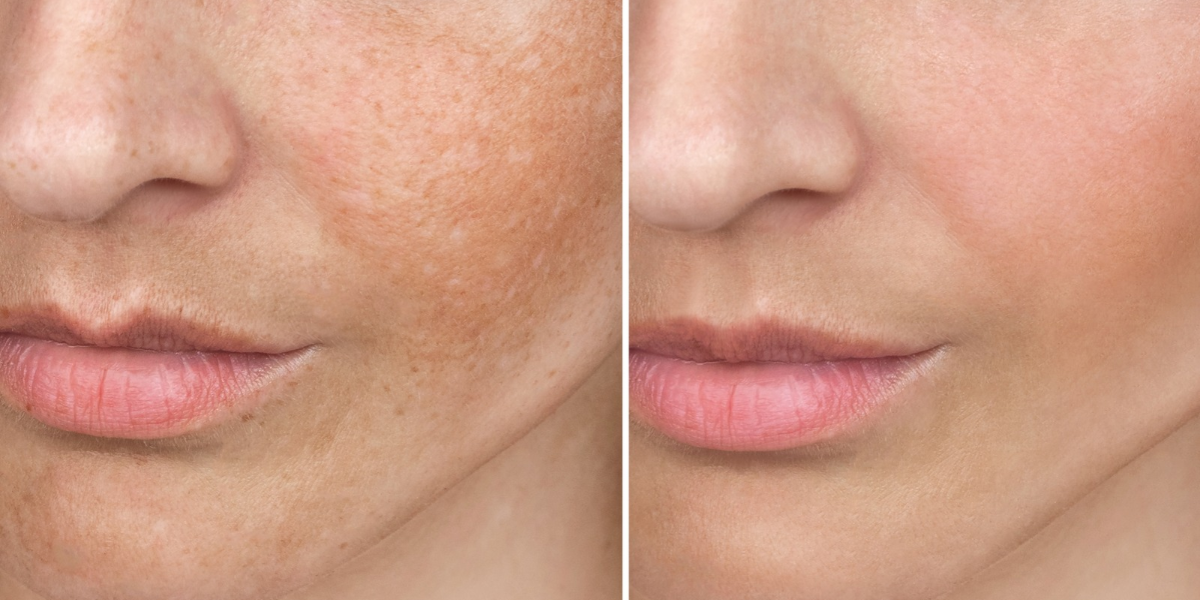
What Does Skin Whitening Mean?
Skin whitening, also referred to as skin lightening or skin brightening, describes a range of products and treatments intended to reduce pigmentation or make the complexion appear lighter or more even.
However, these terms do not always mean the same thing. Some people use the term skin whitening when they want to fade dark spots, while others are looking to improve dullness, reduce the appearance of sun damage or achieve a more uniform skin tone.
Skin brightening generally focuses on improving radiance and reducing the appearance of uneven pigmentation, without changing your natural skin colour. This may involve skincare ingredients, professional treatments and lifestyle habits that support healthy skin.
Understanding the difference is important when choosing skincare products or professional treatments. The most appropriate approach depends on what is causing the pigmentation, your skin type and your individual concerns.
Why Does Skin Become Darker or Develop Uneven Pigmentation?
Changes in skin tone can occur for several reasons. Melanin is the natural pigment responsible for the colour of our skin, hair and eyes. When melanin production or distribution increases in certain areas, darker patches or spots may develop.
Common causes include:
1. Sun exposure
Exposure to ultraviolet (UV) radiation stimulates melanin production as part of the skin’s natural defence mechanism. Over time, this can contribute to sun spots, freckles and uneven pigmentation, particularly on areas frequently exposed to sunlight, such as the face, hands and chest.
2. Hormonal changes and melasma
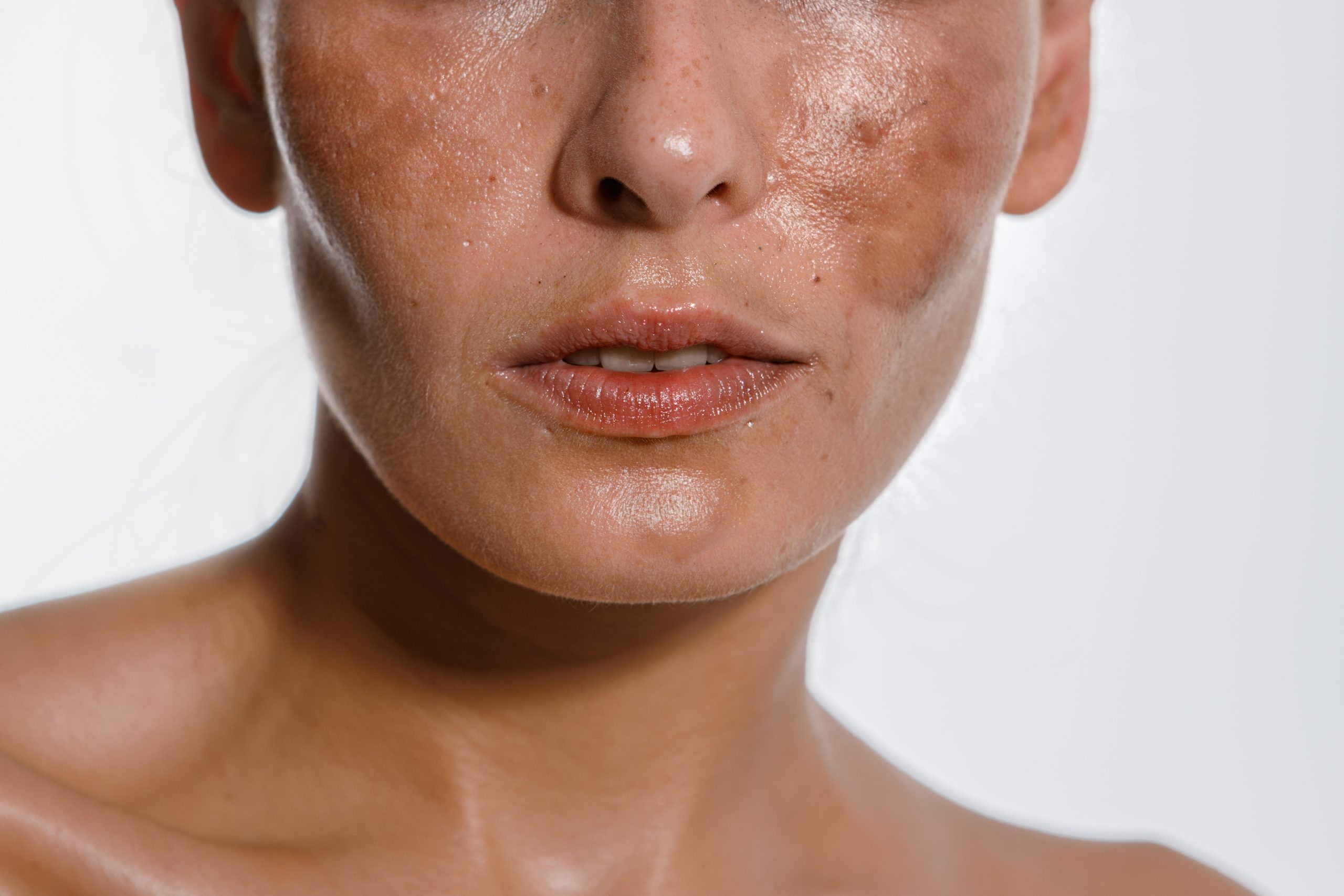
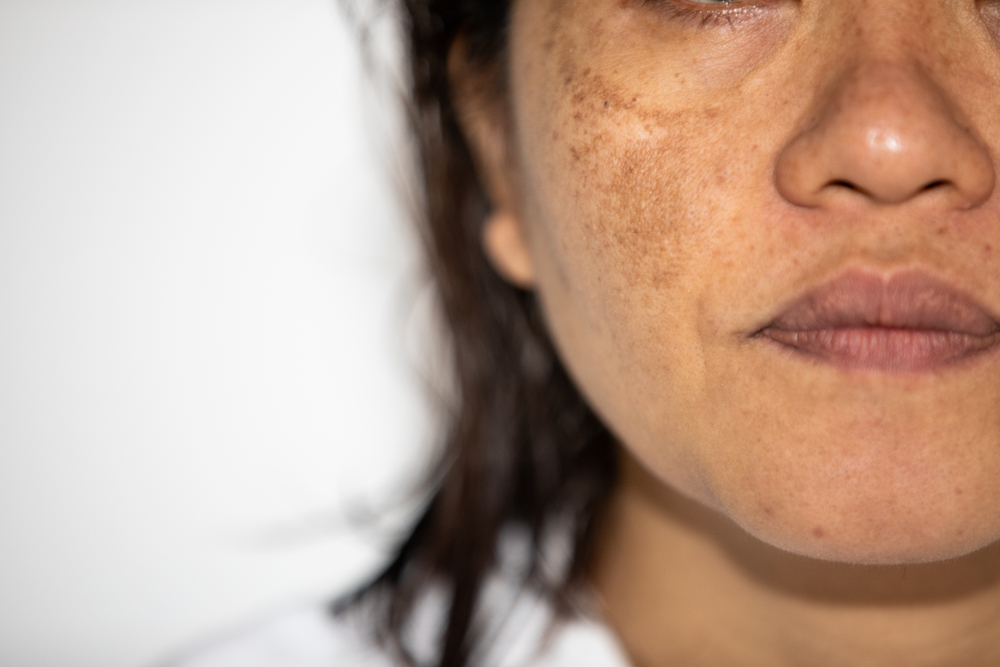
Melasma is a common pigmentation condition that causes brown or greyish patches, often across the cheeks, forehead, upper lip or other areas of the face. It can be associated with hormonal changes, pregnancy, contraceptive use and sun exposure.
Melasma can be persistent, and it may become darker following exposure to sunlight or visible light. Managing it often requires a combination of skincare, sun protection and professional advice.
3. Acne marks and inflammation
Following acne, eczema, irritation or injury, the skin may develop darker marks known as post-inflammatory hyperpigmentation (PIH). These marks can remain after the original inflammation has settled and may be particularly noticeable in darker skin tones.
Picking spots, using overly harsh products or irritating the skin can make these marks worse.
4. Ageing and accumulated sun damage
As the skin ages, years of sun exposure can contribute to the development of age spots and uneven pigmentation. A combination of environmental exposure and natural skin changes may cause the complexion to appear less uniform.
Identifying the cause of pigmentation is an important first step before choosing any treatment.
How Can You Whiten or Brighten Your Skin Safely?
If you’re looking for skin whitening solutions, it is important to understand the difference between treating pigmentation and attempting to bleach your natural skin colour.
The safest approach is to focus on specific concerns, such as dark spots, uneven tone or pigmentation caused by acne or sun exposure, rather than trying to alter your overall complexion.
A personalised skincare plan may include:
- Using skincare ingredients that help improve the appearance of pigmentation.
- Protecting your skin from UV exposure to prevent existing marks from darkening.
- Choosing professional treatments based on your skin type and pigmentation concern.
- Avoiding aggressive skincare routines that can cause irritation and further pigmentation.
For people experiencing hyperpigmentation, the right treatment may help gradually improve the appearance of darker areas. However, results vary depending on the cause, depth of pigmentation, skin type and consistency of treatment.
What Are the Best Skin Whitening Treatments?
There’s no one-size-fits-all skin whitening treatment. The right option for dark spots, pigmentation, uneven skin tone or dullness depends on your skin type, concerns and goals.
At Eden Skin Clinic, we offer professional treatments for pigmentation and sun damage. A personalised consultation helps identify the most suitable treatment for your skin.
Chemical Peels for Pigmentation and Uneven Skin Tone
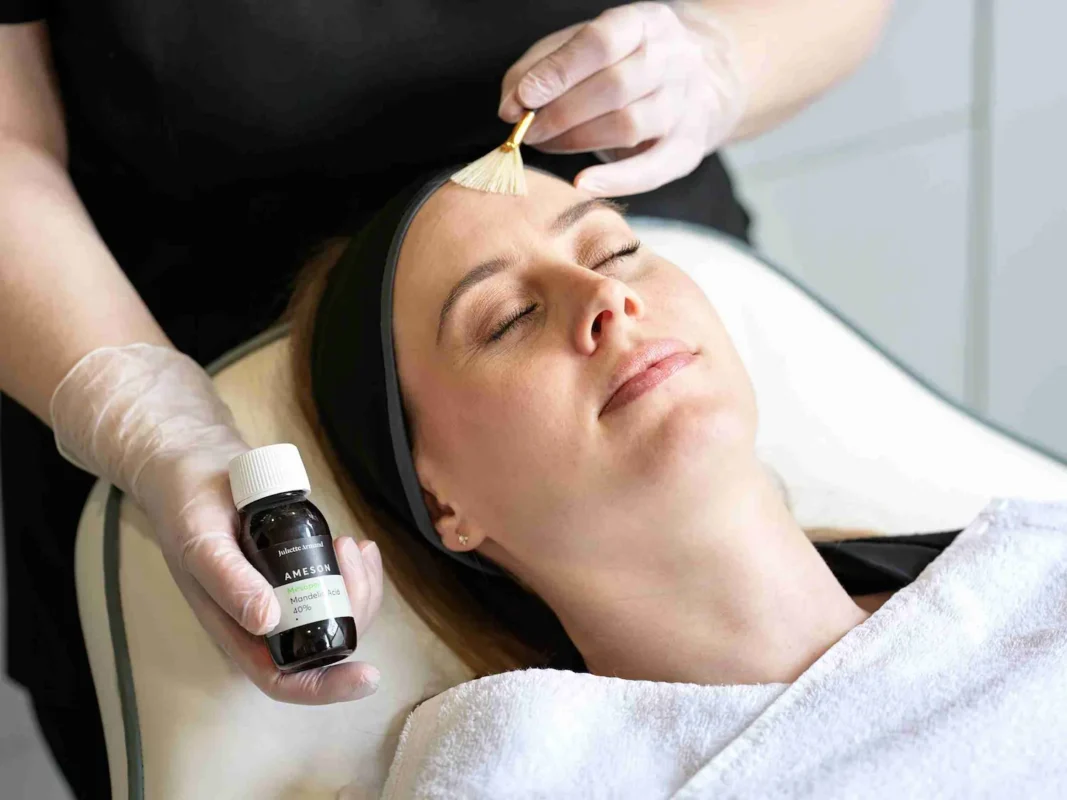
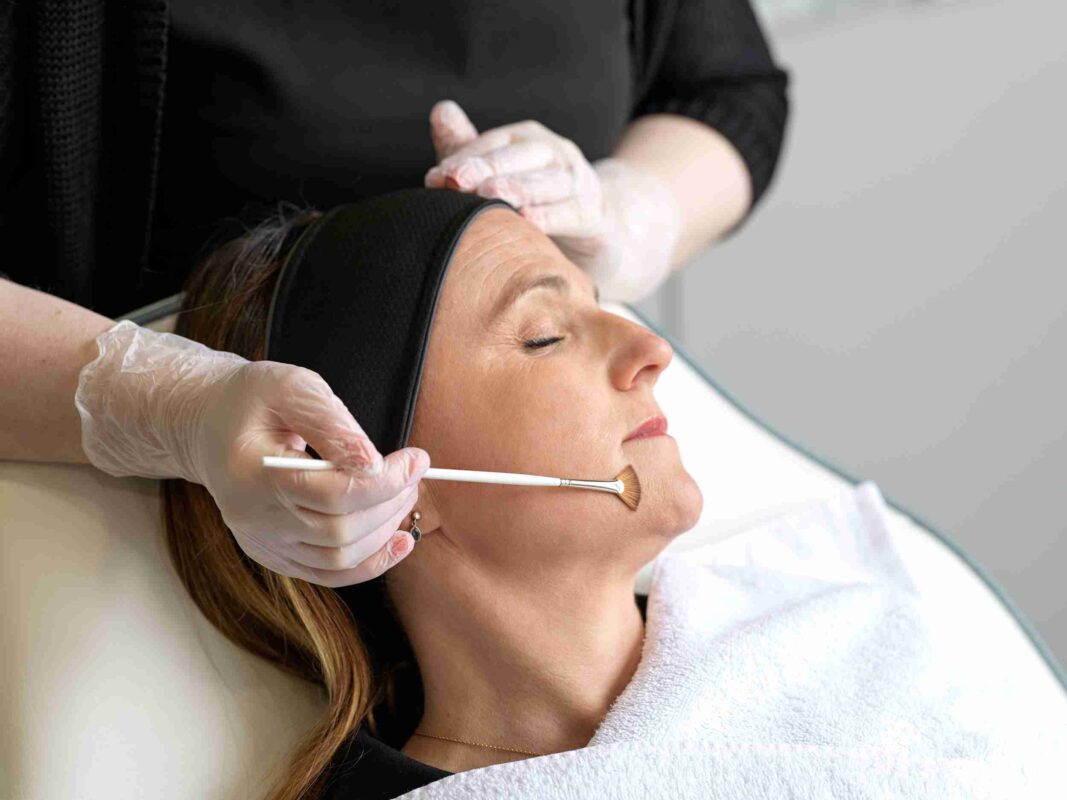
Professional chemical peels exfoliate the skin using carefully selected acids to encourage skin renewal and improve the appearance of dullness, uneven texture and certain pigmentation concerns.
Our Mesopeel chemical peel treatments are designed to support skin rejuvenation and improve the appearance of pigmentation and sun damage. A skin assessment is important to determine which peel is appropriate for your individual concerns.
IPL Treatments for Selected Pigmentation
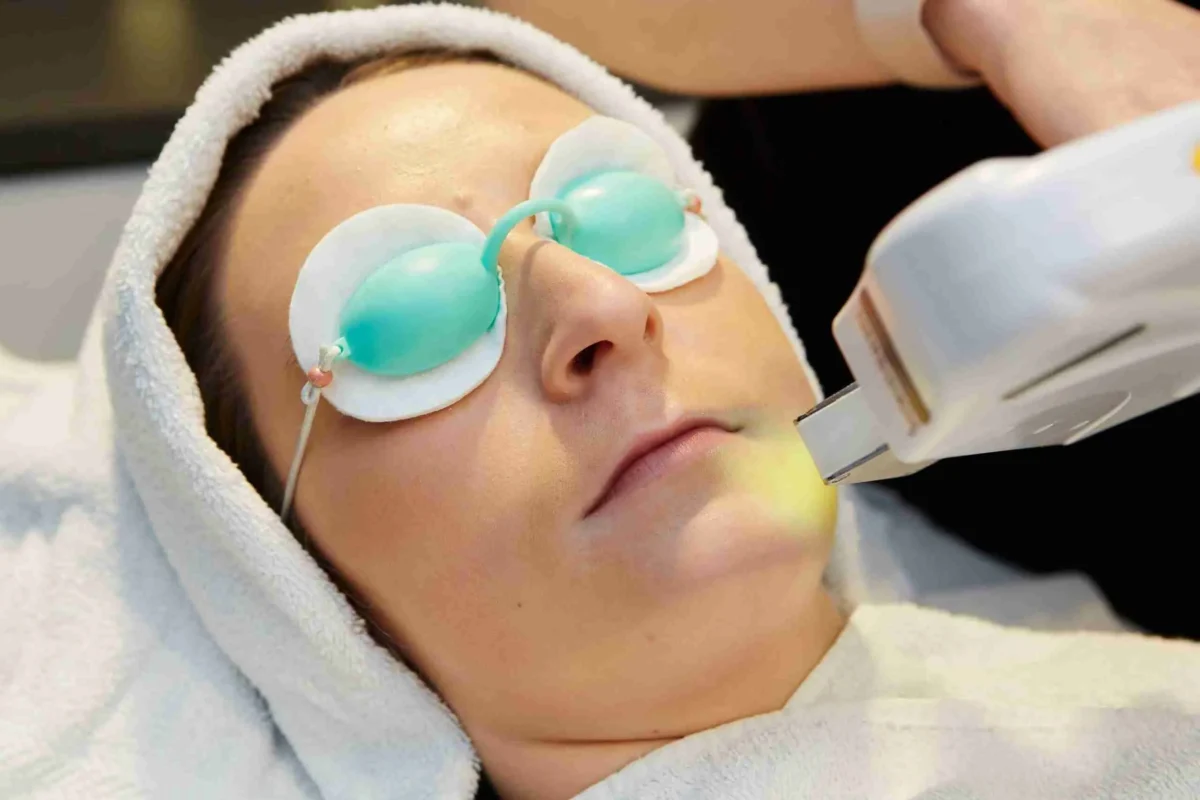
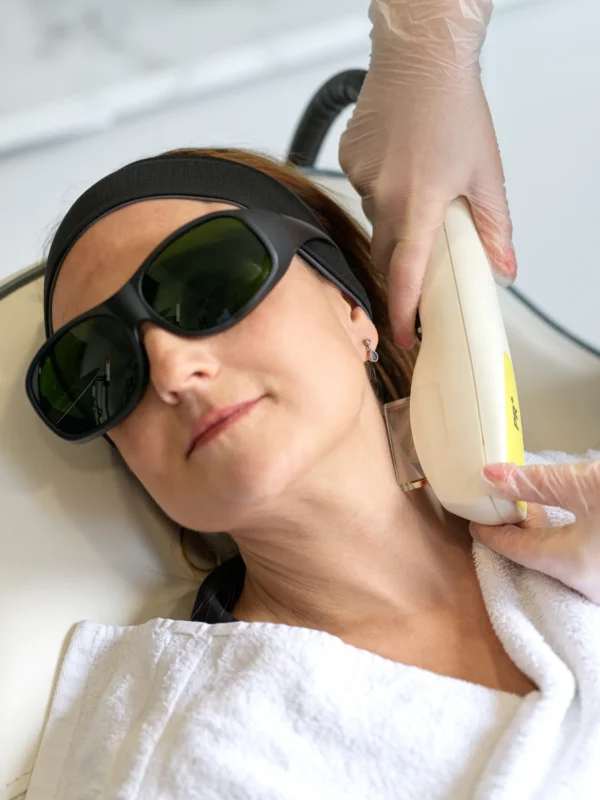
Intense Pulsed Light (IPL) uses controlled light energy to target certain pigmentation concerns, including some sun-related spots. It may help improve the appearance of uneven skin tone and visible sun damage in suitable candidates.
Explore our IPL skin pigmentation treatments to learn more about the treatment, how it works and whether it may be appropriate for you. IPL is not suitable for every skin tone or type of pigmentation, so professional assessment is essential.
AlumierMD Professional Skincare and Skin Peels
A consistent skincare routine can play an important role in improving the appearance of dullness and uneven skin tone. Professional skincare formulations may help support skin renewal, hydration and targeted skin concerns.
At Eden Skin Clinic, we offer AlumierMD professional skincare treatments and skin peels, tailored to individual concerns such as pigmentation, discolouration, sun damage and uneven texture. Your skincare specialist can help recommend suitable treatments and homecare products.
Finding the Right Treatment for Hyperpigmentation
Pigmentation can have different causes, including sun exposure, inflammation and hormonal factors. Identifying the type of pigmentation is important, as some concerns may respond to professional treatments while others require a different approach.
Read more about hyperpigmentation, its causes and available treatment options at Eden Skin Clinic to learn more about different types of pigmentation and how they are assessed.
Which Skincare Ingredients Help Brighten the Skin?
Certain skincare ingredients can help improve the appearance of dark spots, uneven pigmentation and dullness. Choosing the right ingredients and introducing them gradually can help avoid unnecessary irritation.
Vitamin C
Vitamin C is an antioxidant commonly used in brightening skincare. It helps protect the skin from oxidative stress caused by environmental factors and can support a more radiant-looking complexion.
It is a popular ingredient for people concerned about dullness, uneven skin tone and the appearance of pigmentation.
Retinoids
Retinoids help regulate skin cell turnover and are commonly used to address acne, signs of ageing and certain pigmentation concerns. They can help improve skin texture and the appearance of uneven tone over time.
However, retinoids can cause dryness, irritation and sensitivity, particularly when first introduced. They should be used appropriately, and some retinoids are unsuitable during pregnancy.
Niacinamide
Niacinamide, also known as vitamin B3, is a versatile skincare ingredient that supports the skin barrier and may help improve the appearance of uneven skin tone. It can also help with hydration and visible redness, making it a useful ingredient in many skincare routines.
Azelaic acid
Azelaic acid is used in skincare to help address acne and pigmentation concerns. It may be beneficial for people experiencing post-acne marks or uneven skin tone and can be an option for some individuals with sensitive or blemish-prone skin.
Exfoliating acids
Glycolic acid, lactic acid and other AHAs exfoliate the skin, helping improve dullness, uneven texture and some pigmentation. Ingredients such as vitamin C, azelaic acid and retinoids may also help reduce pigmentation.
Over-exfoliation can damage the skin barrier and worsen irritation or pigmentation, so active ingredients should be chosen carefully based on your skin’s needs.
How Long Does Skin Whitening or Brightening Take?
Results from pigmentation treatments vary depending on the cause, skin type and treatment used. While radiance may improve sooner, concerns such as melasma and dark spots can take several months to fade and may require maintenance.
Results depend on pigmentation depth, skin sensitivity, treatment consistency and sun protection. Gradual, realistic improvement is safer than expecting instant skin whitening.
What Should You Avoid When Trying to Whiten Your Skin?
Avoid unregulated skin-lightening products, over-exfoliation and skipping sunscreen, as these can worsen pigmentation and damage the skin.
- Unregulated creams: Some may contain harmful ingredients, such as mercury or potent steroids, causing skin thinning, irritation and uneven pigmentation.
- Over-exfoliation: Excessive use of acids and active ingredients can damage the skin barrier and trigger further dark marks.
- Skipping sunscreen: UV exposure can worsen pigmentation and reduce treatment results. Daily sun protection is essential for maintaining an even skin tone.
Are Skin Whitening Treatments Suitable for All Skin Types?
Not every pigmentation treatment suits every skin type. Skin tone, sensitivity, medical history and the cause of pigmentation all influence treatment choice.
Darker skin tones may be more prone to post-inflammatory pigmentation, making treatments such as chemical peels and IPL require careful assessment by an experienced professional.
A personalised approach helps reduce irritation, minimise risks and achieve safer results.

Book a Skin Consultation at Eden Skin Clinic
Concerned about dark spots, pigmentation or uneven skin tone? At Eden Skin Clinic, our skin specialists offer personalised advice and treatments, including chemical peels, IPL and AlumierMD skincare, tailored to your skin’s needs.
Book your skin consultation at Eden Skin Clinic and let our team help you find the right treatment for your skin.
Author

Frequently Asked Questions
1. Can you safely whiten your skin permanently?
There is no safe treatment to permanently change your natural skin colour. Professional treatments can help reduce pigmentation, dark spots and uneven skin tone, but results vary and may require ongoing maintenance.
2. What is the best treatment for dark spots on the face?
The best treatment depends on the cause of the dark spots, your skin type and the depth of pigmentation. Skincare ingredients such as vitamin C and azelaic acid, chemical peels or selected IPL treatments may help, following a professional assessment.
3. Does vitamin C help with skin whitening and pigmentation?
Vitamin C is an antioxidant that can help improve the appearance of dullness and uneven skin tone. It may also help reduce the appearance of pigmentation over time when used consistently alongside sun protection.
4. Is skin whitening safe for darker skin tones?
Pigmentation treatments can be suitable for darker skin tones, but treatment selection requires care. Irritation or unsuitable procedures can trigger post-inflammatory hyperpigmentation, so professional assessment is important before treatments such as chemical peels or IPL.
5. Can chemical peels or IPL remove pigmentation?
Chemical peels and IPL may improve certain types of pigmentation, including some sun spots and uneven skin tone. However, not all pigmentation responds to these treatments, and suitability depends on your skin tone, condition and medical history.